

Design the Future of Fashion, Canada’s Circular Design Toolkit
A practical guide for brands, designers and manufacturers to create products built for longevity, repairability and recyclability, adapted for Canada, developed with WRAP International.
What this toolkit offers
-
From durability and disassembly to recyclability and material choice.
-
Decision-making frameworks to embed circular design thinking across your organization.
-
Featuring leading brands, manufacturers and educators from Canada and internationally (e.g., Arc’teryx, Tentree) that illustrate real-world circular design in action.
-
Grounded in the global Circular Design Framework (Textiles 2030) but tailored for Canada’s infrastructure, regulatory context and market realities.
-
Help design teams shift from linear thinking to circular results — longer use, fewer returns, easier repair/disassembly and recyclability built-in.

Developed by credible partners

This Toolkit is delivered through a collaboration between Fashion Takes Action (FTA) and the Canadian Circular Textiles Consortium (CCTC), in partnership with WRAP International and supported by Environment and Climate Change Canada (ECCC).
It builds on WRAP’s proven Circular Design Framework and adapts it to reflect Canada’s manufacturing, reuse, repair and recycling infrastructure, making the global principles relevant for Canadian brands, product-developers and educators.
Toolkit Structure: The Four Circular Design Pillars
-

Reduce Material Impacts
Choose lower-impact fibres, integrate recycled and renewable materials, and prioritize sourcing decisions that minimize environmental footprint from the start.
-

Optimize Resources
Improve efficiency across production by reducing waste, cutting energy and water use, and adopting low-impact processes that support circular manufacturing systems.
-

Design for Longevity
Create durable, timeless products that can be worn, cared for, repaired, and loved longer, maximizing use cycles and reducing the need for replacement.
-

Design for Recovery
Plan for end-of-life from the beginning with strategies like mono-materiality, design for disassembly, and clear labelling to support recycling and material recovery.
Why Canada needs its own toolkit
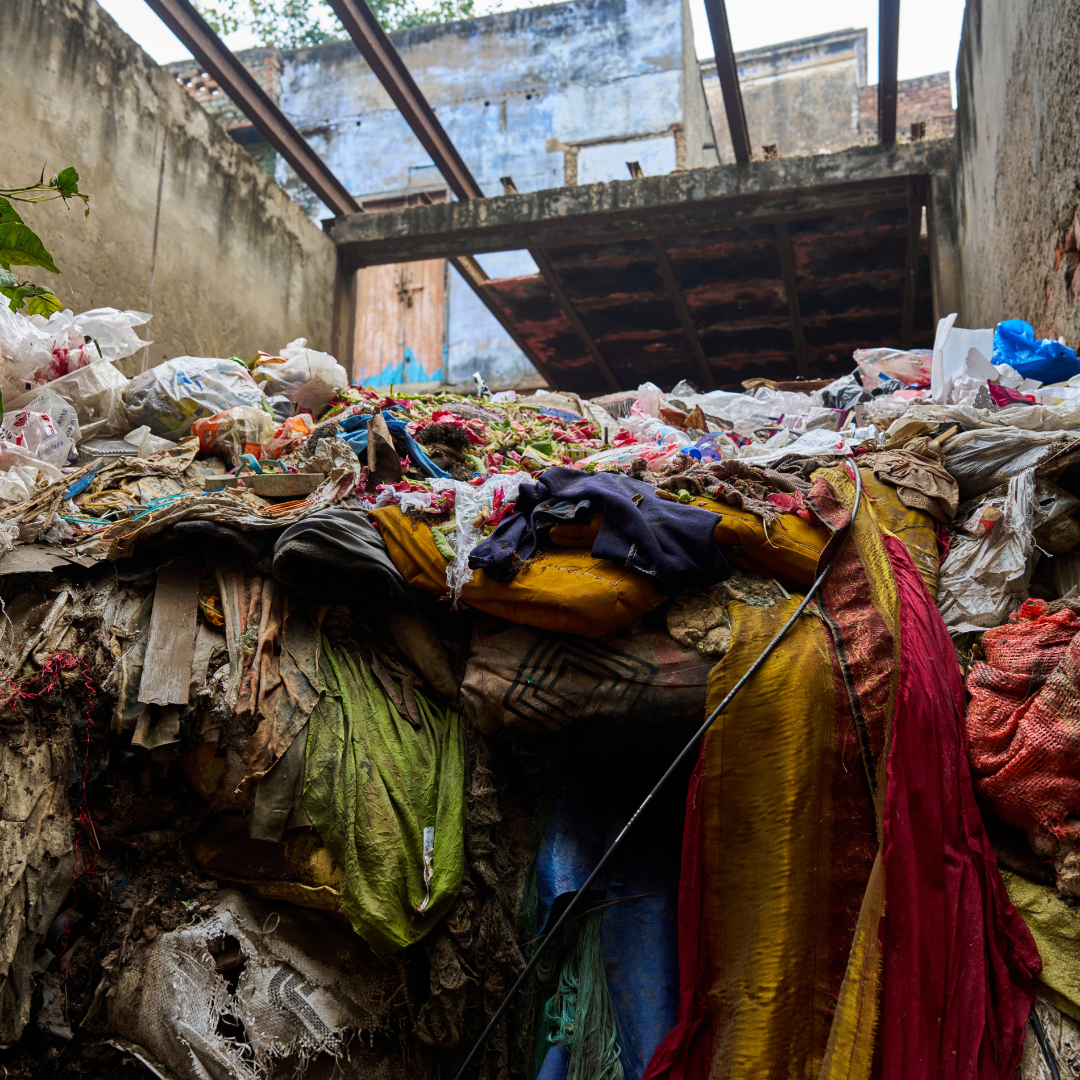
Many Canadian brands and manufacturers lack consistent understanding of circular design; what it is, how it works, and how to implement it.
Canada’s textile recycling and reuse infrastructure varies widely across regions, creating an uneven landscape that makes global circular design frameworks difficult to apply without contextual adaptation.
Educators and emerging designers need accessible, Canadian-relevant resources that bridge theory and practice.
This Toolkit closes the gap by bringing global best practices into the Canadian context, aligning design decisions, business models and system-level opportunities.
