
Circular Business Models for Textiles:
Value Chain Capabilities and Challenges
Scaling circular fashion in Canada won’t happen without the right systems in place. This report maps the gaps — and what it will take to close them.
What’s Inside:
A first-ever value chain map for circular fashion business models in Canada
Heatmap analysis identifying capability gaps
Calls to action for brands, service providers, policymakers & investors
Canadian case studies featuring Arc’teryx, Goodwill, Debrand, Nudnik & more
Why Focus on Circular Business Models?
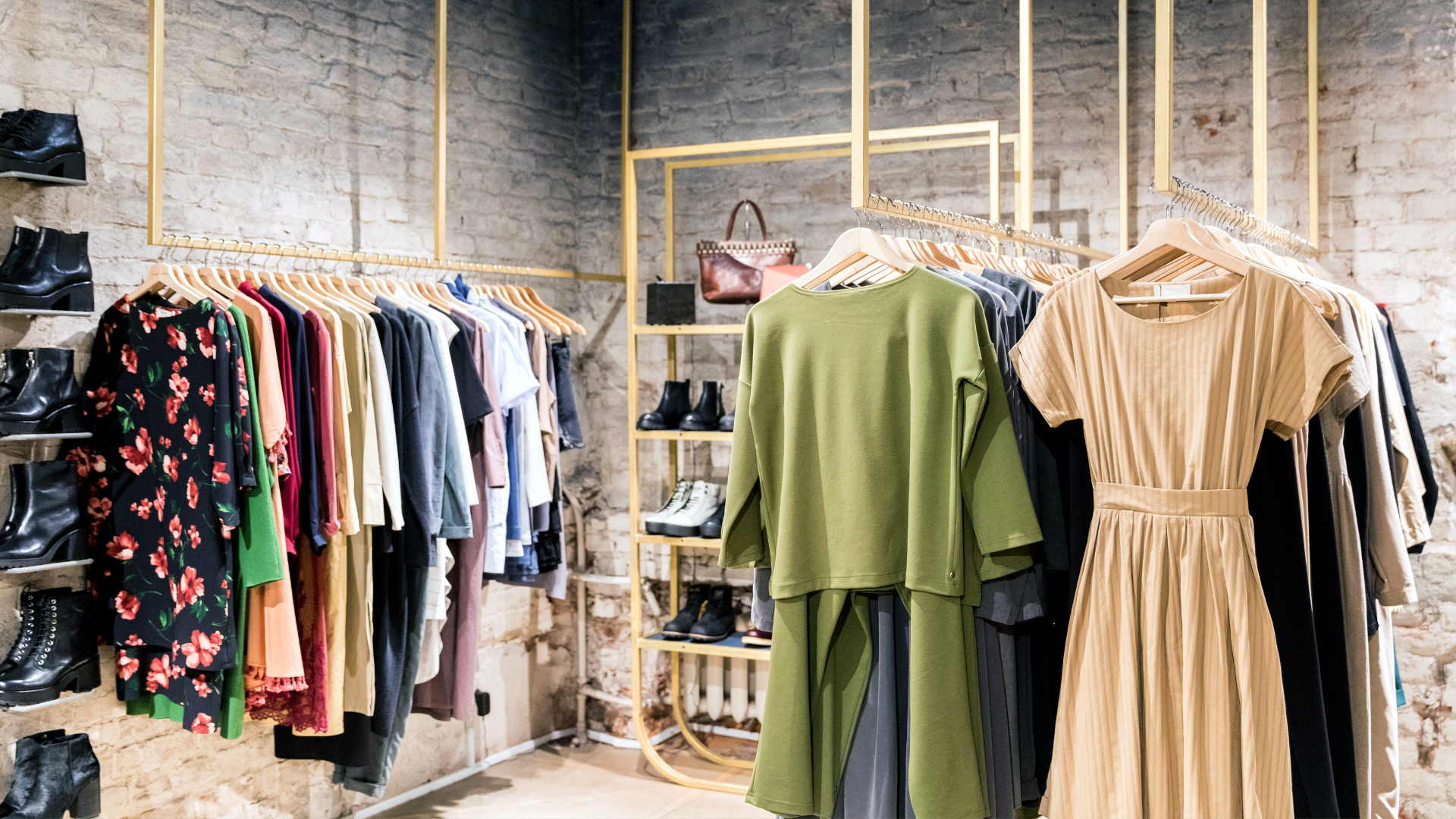
Circular business models are essential to transforming fashion’s linear system. They create new ways for brands to generate value — not by making more products, but by keeping existing ones in use longer through resale, rental, repair, and recycling. Shifting to these models isn’t just good for the planet — it’s becoming a business imperative.
For context:
$500 Billion USD lost globally each year from underutilized clothing
95% of textiles sent to landfill could be reused or recycled
73% of textiles globally end up in landfill or incineration

Report Calls to Action:
-

Grow Canada’s Circular Service Provider Ecosystem
-

Harmonize Textile-Specific Policy & Regulations
-

Increase Demand for Recycled Fibres
-

Invest in Circular Projects & Innovation
-

Establish Industry Standards & Transparent Metrics