
Consortium canadien des textiles circulaires
Building Canada’s Circular Textile System
Aligning the ecosystem. Advancing solutions. Enabling systems change.

Qu’est-ce que le CCTC?

The Canadian Circular Textiles Consortium (CCTC) is a national, cross-sector platform convened by Fashion Takes Action to accelerate the transition to a circular textile system in Canada.
The CCTC brings together brands and retailers, government, charities and reuse organizations, recyclers, innovators, researchers, academics and other industry stakeholders to tackle the systemic barriers that no single organization can solve alone.
Rather than working in silos, CCTC members collaborate around shared priorities, generate evidence, test solutions and help create the conditions needed for circular textile systems to scale.
Vision: A connected and resilient circular textile system in Canada where products and materials are kept in use at their highest value for as long as possible.

Our Role
CCTC serves as a national backbone for collaboration and collective impact.
We help the sector:
Identify shared challenges and opportunities across the textile value chain;
Build a stronger evidence base around textile flows, infrastructure and market needs;
Convene targeted working groups and coalitions around priority issues;
Test and validate solutions through research, innovation sprints and pilots;
Strengthen industry knowledge and capacity;
Inform policy, standards and enabling market conditions
Connect Canadian activity with emerging international circularity developments
Intended Impact:
To help build the knowledge, relationships, infrastructure, policies and market conditions required for circular textiles to function at scale in Canada.
CCTC builds on more than a decade of FTA-led collaboration in circular textiles, beginning with the Ontario Textile Diversion Collaborative and evolving through national research, pilots and sector convening.
Key Areas
of Action
Circular systems and infrastructure — improving collection, sorting, reuse, recycling, pre-processing and material recovery.
Innovation and implementation — moving promising ideas from research into pilots, validation and real-world application.
Data and traceability — improving visibility into textile and material flows and supporting practical approaches to traceability.
Circular design and business models — enabling durability, repair, reuse, resale, recycling and other strategies that retain product and material value.
Policy and standards — bringing evidence and industry perspectives into the development of effective policy, regulation and standards.
Knowledge and collaboration — building shared understanding and creating trusted spaces for organizations to learn and work together.
Cadre d’avenir : Notre feuille de route
The Futures Framework is the CCTC’s strategic roadmap for advancing circular textiles in Canada. Developed through multi-stakeholder engagement, it identifies 10 interconnected action areas needed that shape the transition to a circular textile system, and helps CCTC determine where collective action can have the greatest impact.
Rather than treating these issues in isolation, the Framework helps CCTC understand how they interact, where the greatest system barriers exist, and where coordinated action can have the greatest impact.
Priority Action Areas
-

Modèles d’affaires circulaires
-

Conception circulaire
-

Facteurs de politique
-

Sensibilisation citoyenne
-

Voies d’accès à l’infrastructure
-

Éducation de l’industrie
-

Achats écologiques
-

Solutions Fabriquées au Canada
-

Mesure de l’impact et traçabilité
-

Incitatifs financiers
Through research, interviews, roundtables and member engagement, CCTC gathers insight across these action areas to identify shared gaps, system barriers, opportunities for collaboration and priorities for investment, policy and innovation.
From Insight to Action
The Futures Framework is designed to move beyond diagnosis. Where a priority area reveals a clear opportunity for collective action, CCTC can bring together the relevant stakeholders to develop and test solutions, generate evidence and identify pathways to scale.
These insights inform a growing portfolio of working groups, research projects, innovation sprints, pilots and policy initiatives — helping move the sector from shared understanding to coordinated action.
Findings from across the Framework will also contribute to a Circular Textiles Playbook — a practical resource to help industry, government and other stakeholders understand the actions, tools and enabling conditions needed to advance circular textiles in the Canadian context.
By connecting research, collaboration, innovation and policy, the Futures Framework provides a shared structure for moving from understanding the system to changing it.

Research & Insights
CCTC develops and shares research that helps build a clearer picture of Canada’s circular textile system, including key gaps, opportunities and emerging priorities. These reports provide an evidence base to support industry action, policy development and future collaboration.
-
![Des contenants décoratifs avec un vaporisateur, trois balles grises et un petit ours en peluche, posés sur des surfaces vert menthe et vert foncé avec un fond verdâtre.]()
Projet pilote de recyclage mécanique
FTA a lancé le premier projet pilote de recyclage mécanique des textiles au Canada, transformant des vêtements usagés en polyester en un panier à linge composé à 40% de contenu recyclé. Le projet a prouvé le potentiel du recyclage mécanique grâce à une chaîne d’approvisionnement circulaire complète, de la reprise à la vente au détail.
-
![Machine à laver industrielle pour traiter le tissu avec un spray d’eau]()
Étude de faisabilité du recyclage des textiles
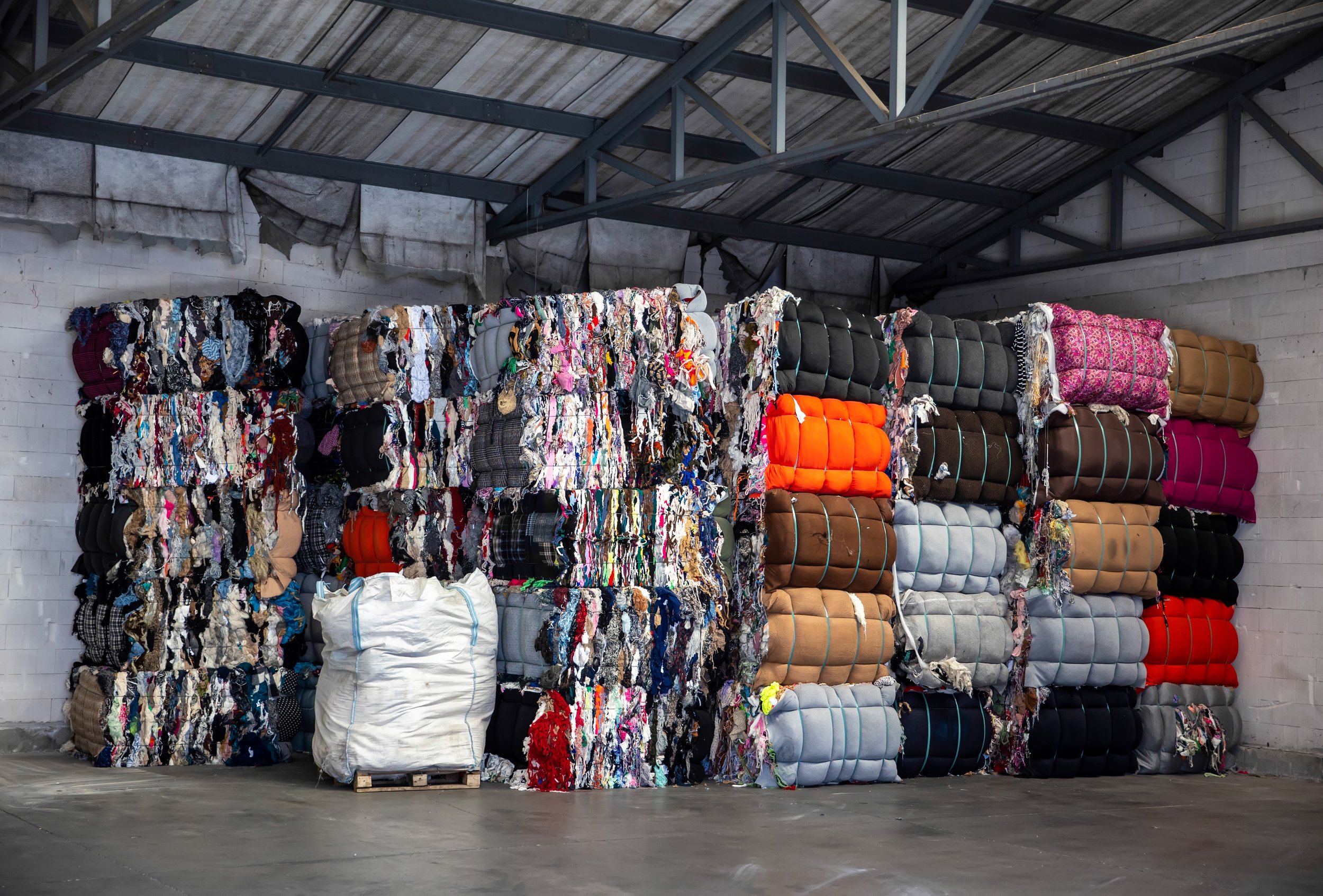
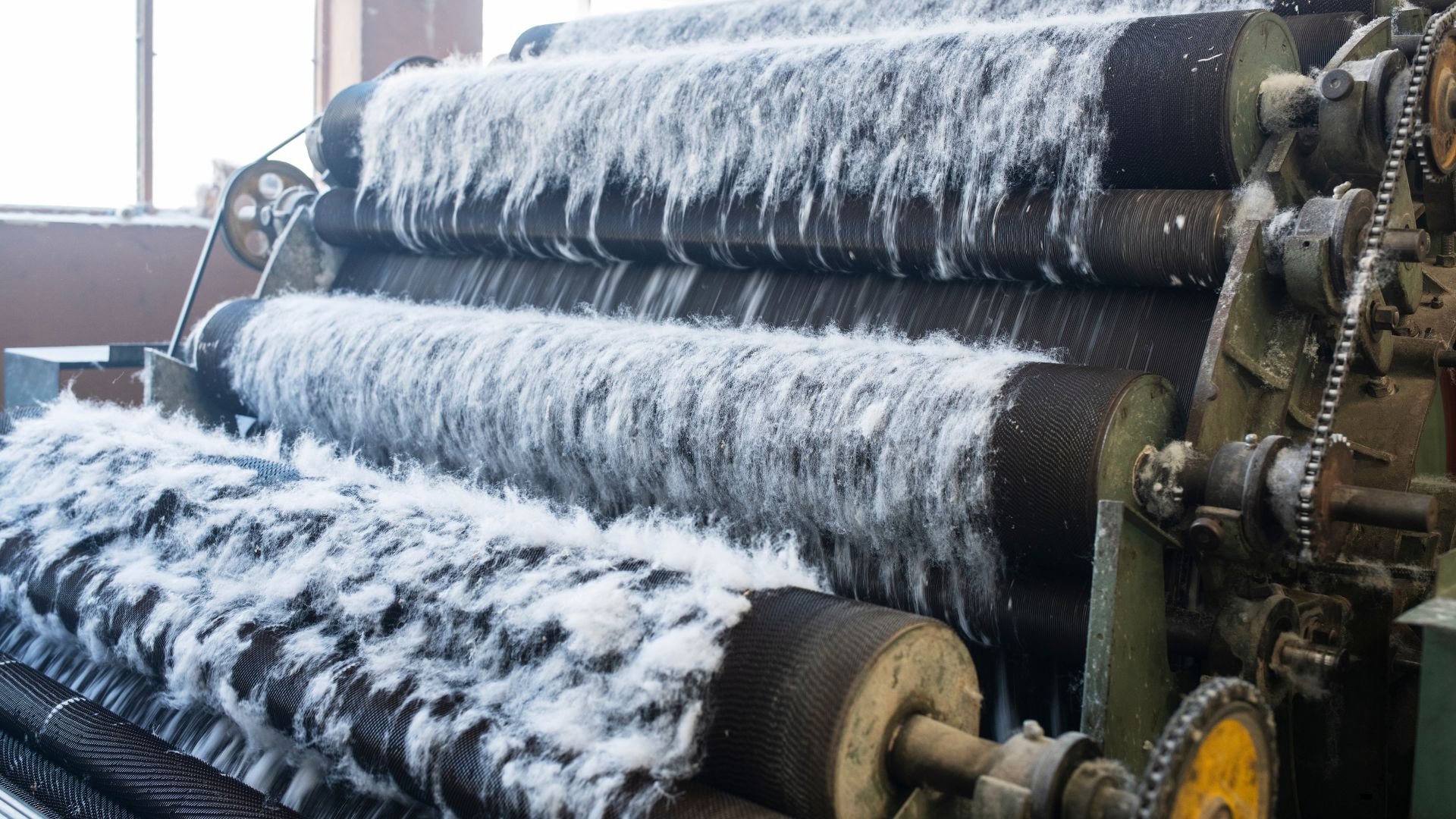
L’étude nationale de la FTA sur le recyclage textile a identifié les principaux obstacles et proposé 22 recommandations pour soutenir la circularité, mettant en avant le recyclage mécanique (particulièrement pour le polyester) comme une solution évolutive.
-
![]()
Modèles d'économie circulaire pour le textile : capacités et défis de la chaîne de valeur
En collaboration avec Deloitte, Fashion Takes Action a entrepris de recenser les capacités existantes et les lacunes prioritaires nécessaires à la mise en place de modèles d'économie circulaire dans l'industrie textile canadienne. Le développement de la mode circulaire au Canada ne sera possible qu'avec des systèmes adéquats. Ce rapport décrit ces lacunes et les mesures à prendre pour les combler.
-
![]()
Conception circulaire : la trousse à outils canadienne en matière de conception circulaire
Ce guide pratique aide les entreprises canadiennes de vêtements et de textiles à intégrer l'économie circulaire dans le développement de leurs produits. Il traduit la théorie en stratégies concrètes, abordant le choix des matériaux, la durabilité, la réparabilité et la recyclabilité, tout en respectant les normes internationales et en tenant compte des particularités du contexte canadien en matière d'infrastructures et de politiques.
-
![]()
Symbiose industrielle : Char Pilot
Le projet pilote Char explore une voie circulaire ouverte : transformer les déchets textiles hospitaliers en un matériau riche en carbone susceptible d’améliorer la santé des sols et la résilience agricole. Consultez le rapport complet pour plus d’informations : Transformation des déchets textiles en amendement du sol : étude en serre sur le charbon de bois issu du textile pour l’agriculture canadienne



Joignez-vous au CCTC

Be part of the national collaboration shaping the future of circular textiles in Canada.
CCTC membership connects organizations across the textile ecosystem to the knowledge, relationships and collaborative opportunities needed to advance circularity - while providing a platform to help shape shared priorities and contribute to solutions that no single organization can deliver alone.
Membership is currently open to organizations.
As a CCTC member, your organization will gain access to:
Recherche et perspectives à l’échelle nationale et mondiale
Notre infolettre mensuelle exclusive Wrapped
Webinaires de la série d’apprentissage sur des sujets tels que le tri pour la circularité dans l’écosystème nord-américain, les matériaux de prochaine génération et les technologies de prétraitement
Invitations à des tables rondes à huis clos, à des groupes de travail et à des séances de mobilisation stratégique
Possibilités de collaboration avec des pairs de l’industrie, des décideurs, des chercheurs et des innovateurs
Prix pour les membres pour certains événements et initiatives organisés par le CCTC
Membership fees support the backbone coordination, research, convening and collaborative work that enables the CCTC to move shared priorities from insight to action.
Interested in joining? Learn more about membership options and how your organization can participate >
Témoignages
-
![Portrait d’une jeune femme aux longs cheveux bruns ondulés, souriante, portant un chandail noir, sur fond blanc uni.]()
« L’un des points les plus précieux à retenir de l’initiative CCTC est l’environnement de collaboration qu’elle favorise. Le consortium réunit divers intervenants, notamment des fabricants, des ONG, des associations industrielles et des gouvernements, afin de partager des connaissances et des ressources. Cette collaboration nous a permis d’accéder à des recherches de pointe, à des pratiques exemplaires et à de nouvelles technologies que nous n’aurions peut-être pas découvertes par nous-mêmes grâce aux divers projets et séries d’apprentissage offerts. Pour les fabricants qui envisagent de se joindre au CCTC, je le recommande fortement. Le consortium offre une occasion unique de faire partie d’une communauté avant-gardiste qui se consacre à l’avancement de la circularité dans l’industrie textile. Le soutien et les ressources disponibles par l’entremise du CCTC sont inestimables pour les fabricants qui travaillent à atteindre leurs objectifs de durabilité. C’est un investissement dans l’avenir de votre entreprise et de la planète.
Lauren Degenstein, coprésidente du Comité de l’environnement et du développement durable de la CTIA
-
![Une femme professionnelle aux cheveux bruns mi-longs, portant un blazer noir et un collier coloré, souriant à la caméra sur un fond clair uni.]()
« La participation au Consortium canadien du textile de circularité (CCTC) a influencé notre approche de la circularité dans le secteur du vêtement. Grâce au CCTC, nous avons établi de nouveaux partenariats et lancé des projets pilotes visant à améliorer nos efforts en matière de durabilité. Nous continuons d’obtenir des informations et des stratégies utiles grâce aux projets stratégiques du CCTC et à nos partenaires du consortium. L’adhésion au CCTC a été un pas vers l’avancement de notre engagement à l’égard de pratiques commerciales plus durables. Ce voyage vers la circularité est long et difficile, mais avec le soutien du CCTC, nous sommes confiants dans notre capacité à continuer à apporter des changements percutants à la fois au niveau local et par des transformations systémiques plus larges.
Marijke McLean, gestionnaire ESG, impact produit et circularité, Canadian Tire
-
![]()
“The Toolkit in Practice workshop provided a useful introduction to circular design principles and helped build awareness of how considerations such as longevity, durability, materials, and versatility can be incorporated earlier in the design process.
The workshop was interactive and engaging, helping to establish a baseline understanding of what circular design means in practice while also bringing greater awareness to circular design practices already in place. The Toolkit offers a helpful foundation for thinking more intentionally about circularity and how it can be considered throughout the design and development process.”
Melissa Mark, Joe Fresh, Sustainability Lead
-
![]()
“Textiles consistently emerge as a top diversion opportunity in our municipal waste audits. We joined the CCTC because addressing this issue requires more than local action, it demands national collaboration. Advancing circularity in textiles calls for consumer education, consistent messaging, policy reform, and innovation across the entire value chain. The CCTC creates a space for meaningful dialogue among policymakers, brands, charities, municipalities and others. Without it, we wouldn’t have had the opportunity to engage so broadly or effectively on this critical issue.”
Project Coordinator, Sustainable Waste Management at York Region
-
![]()
“Fast fashion, clothing, and plastic waste are major challenges—about 98% of plastic textile waste ends up in landfills. Big problems need big solutions, and everyone has a role to play in tackling them. That’s why I’m so proud of Fashion Takes Action. What started here in Toronto has grown into a national leader and connector for reducing textile waste and driving circular solutions. Their work aligns with our government’s plan to eliminate plastic waste and support industry for a more sustainable and innovative future in Canada.”
Julie Dabrusin, Minister of Environment and Climate Change
-
![]()
“It is very important for our own core values and to our customers that we do our best to be a net positive in the world. This workshop [The Toolkit in Practice] gave me a better understanding of textile circularity, why it is important and how we can take the first steps to be a part of the solution. “
Tereska Gesing, Co-founder at Core Fabrics






Nos partenaires
Le CCTC repose sur la collaboration. Nos plus de 140 partenaires comprennent des marques, des organismes de bienfaisance, des ONG, des établissements d'enseignement supérieur, des fabricants, des recycleurs et des décideurs politiques engagés dans la création d'un système textile circulaire.
Stratégique
















Collaboration






















Connaissances















Observation


We’d also like to thank our individual contributing partners: Cédric Comte, Kersti Landra, Madeleine Shaw, Mika Unterman, Nathalie Dansereau, Pramila Choudhary, Sabine Weber, and Zeina Althawabteh